
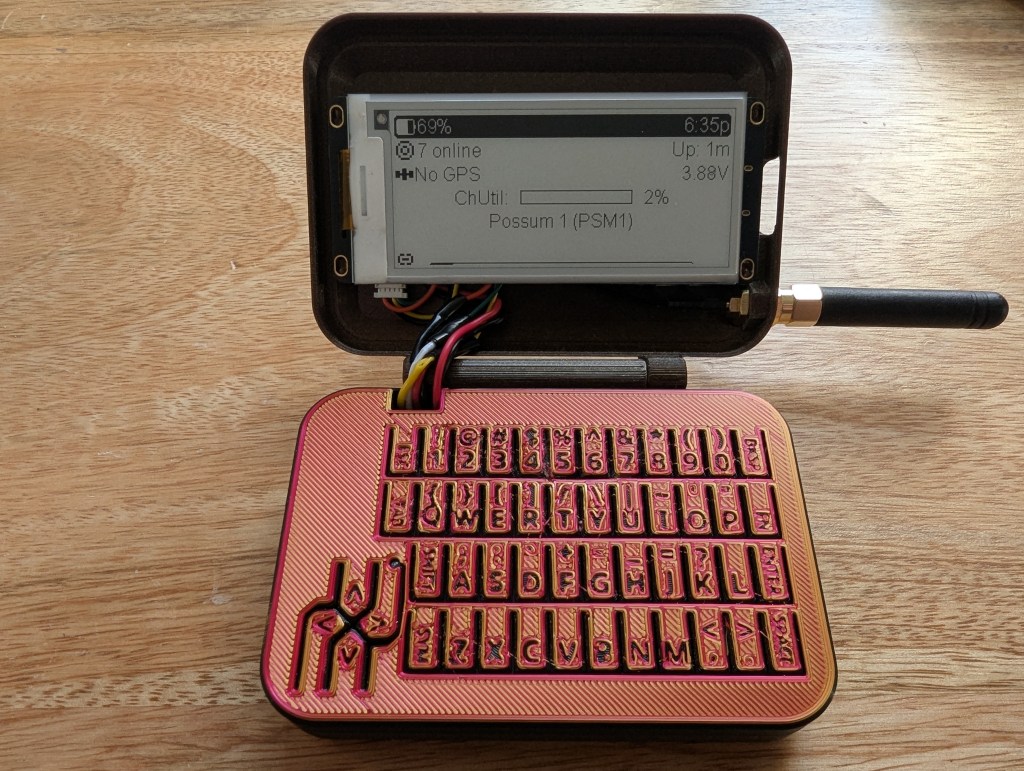
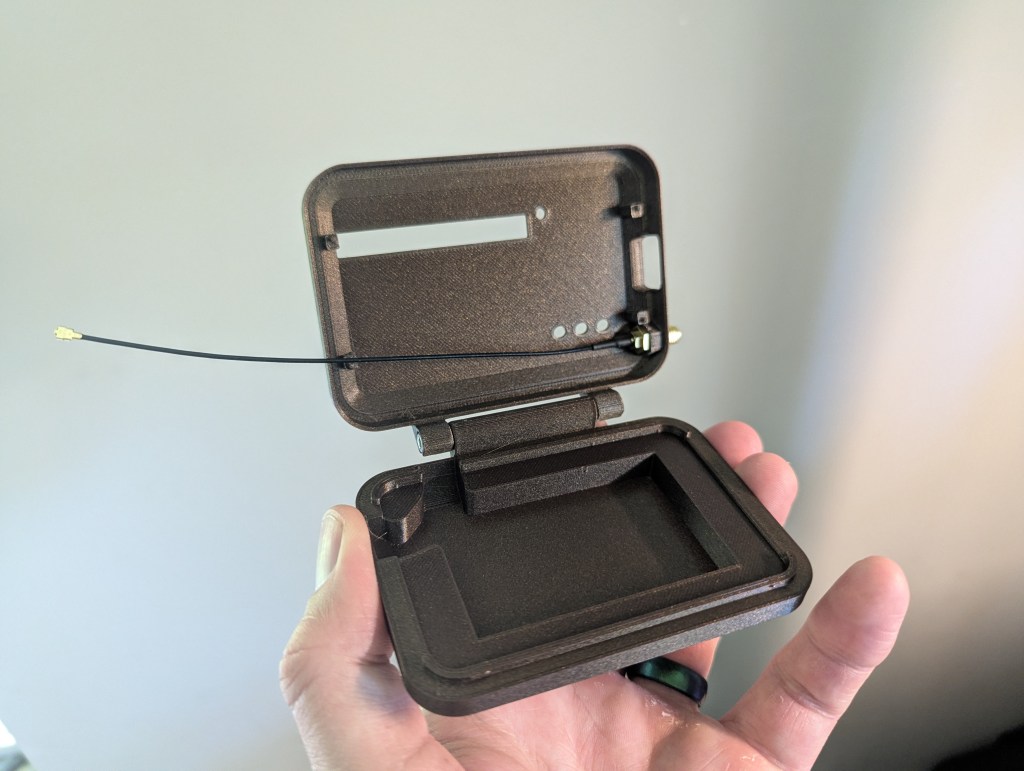
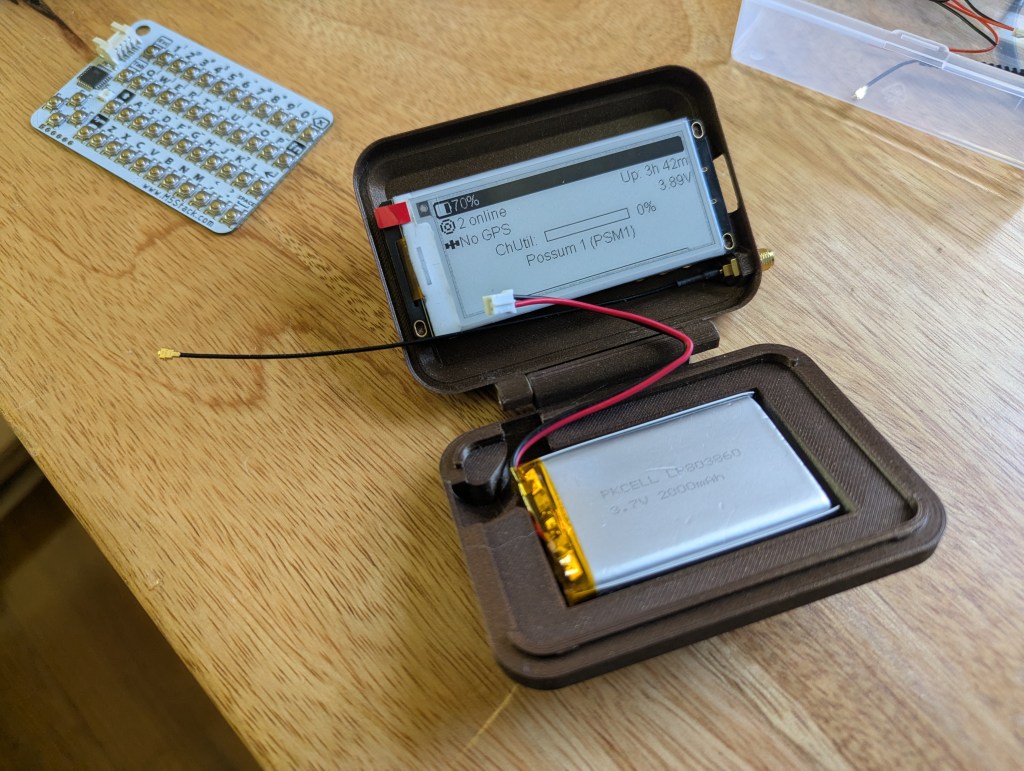
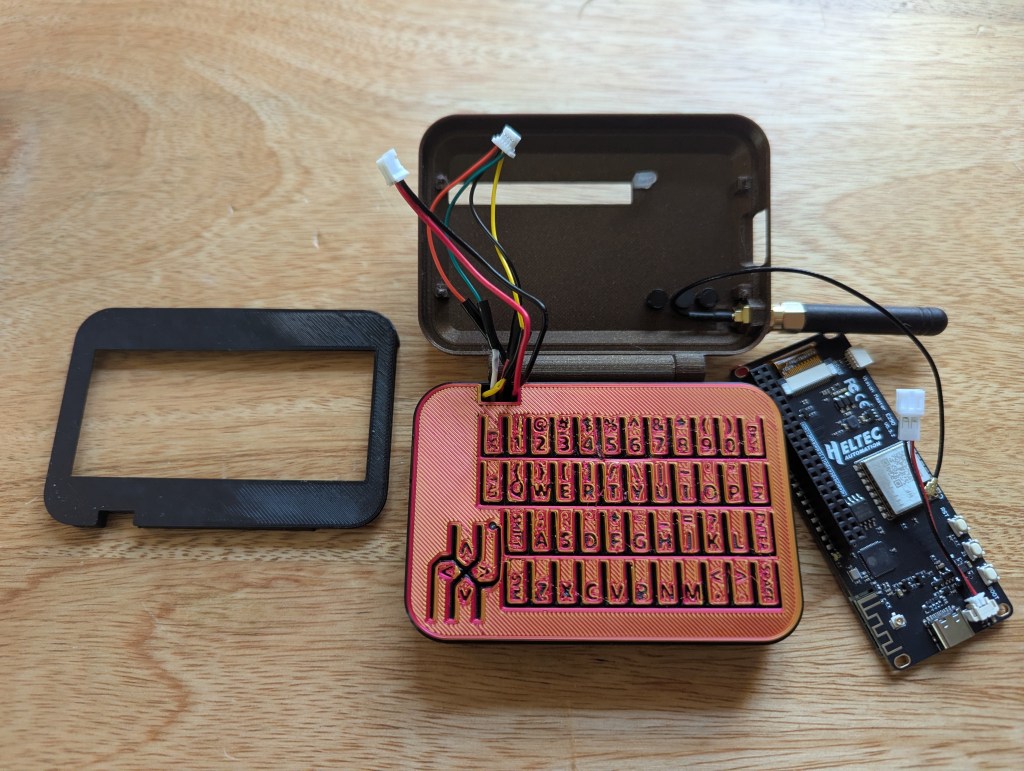
Here’s a case that I put together for some Meshtastic/Meshcore hardware that I had purchased recently. I made the CAD in OnShape over the course of about 7 hours spread across a weekend. I had seen other designs for standalone Mesh messengers (meshengers?) and didn’t like that they had diminutive 1 inch screens and a giant slab of a keyboard/case.
NOTE: this is an early prototype, so check back from time to time as the design evolves!
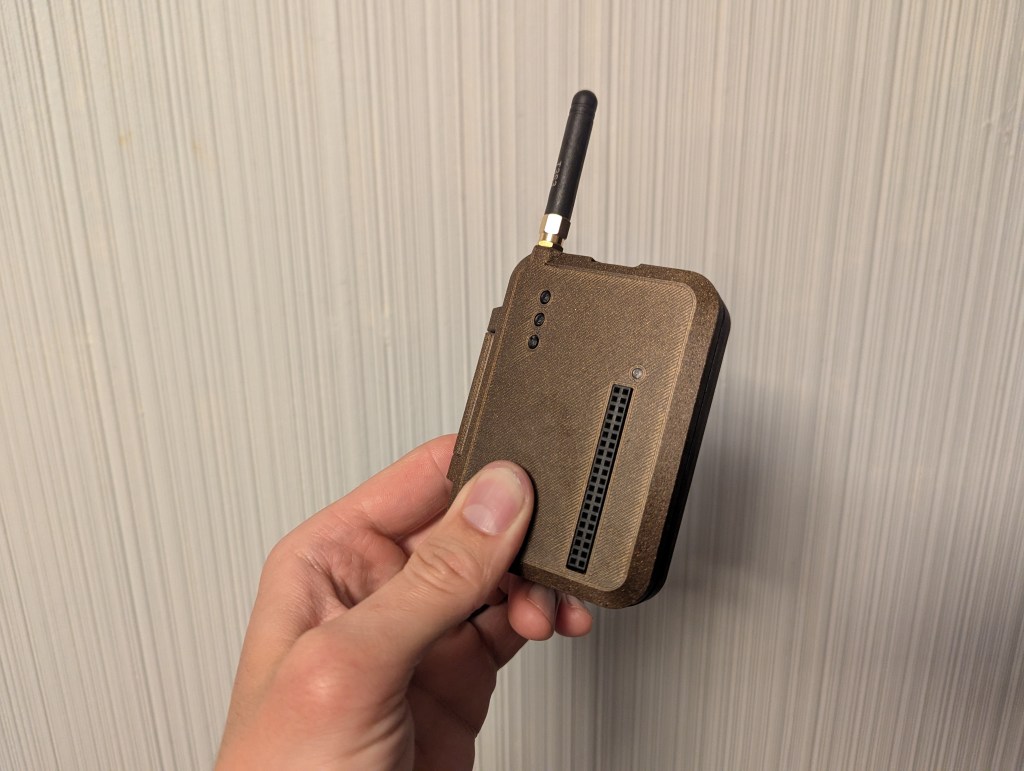
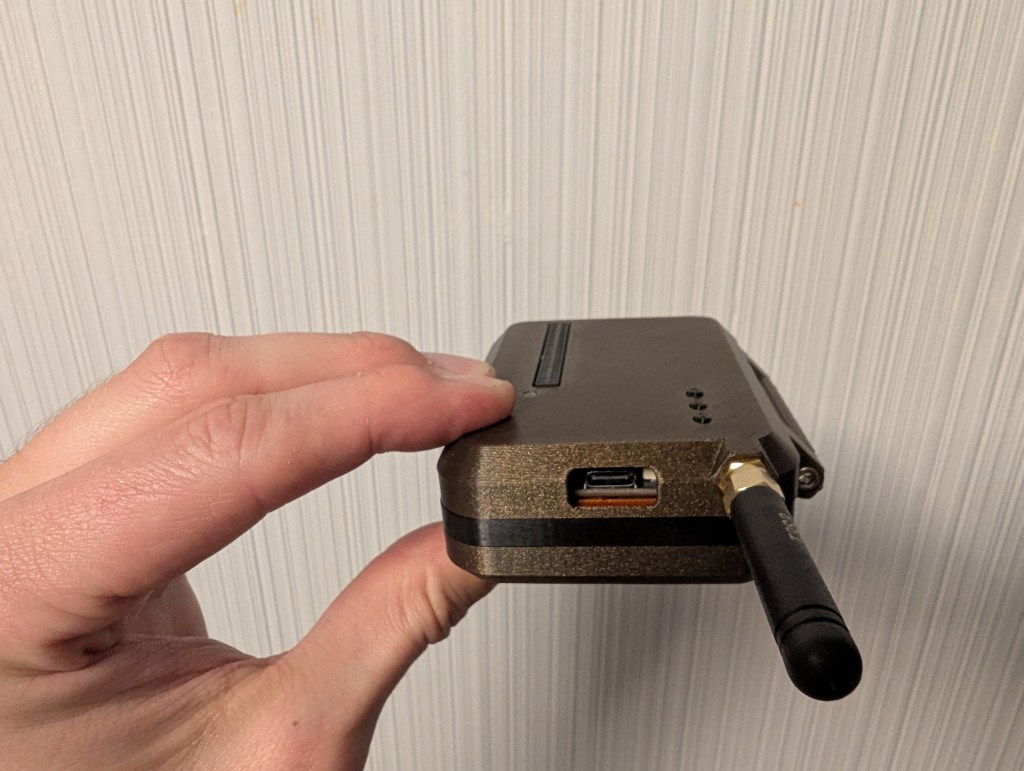
Main Components
- Heltec Vision Master E290
- M5Stack CardKB
- 2000 mAh lithium ion pouch battery
- U.FL to RP-SMA cable
- Your favorite colors of 3D printing filament
Design
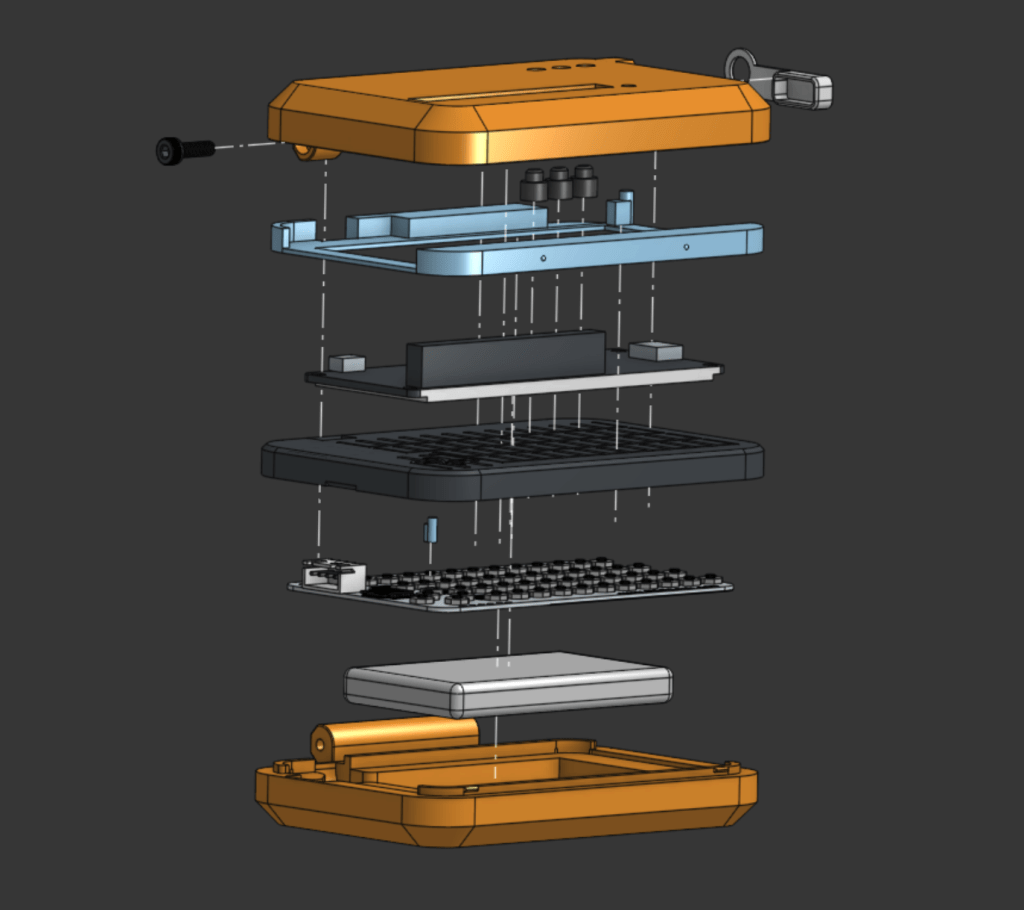
I saved some time by finding a model that someone made of the CardKB on GrabCAD. After importing that into OnShape, I made a rough model of my battery, and a slightly-less-rough model of the microcontroller/screen/LoRa radio I got from Heltec. Every other part was derived from those geometries.
I kept the design mostly 3D-printed for ease of production, but I did use a couple of screws for the hinge for added strength. I went with M3’s because they’re so commonly used for build 3D printers (I used 2 that came from the spares bag for my Prusa).
Engineering
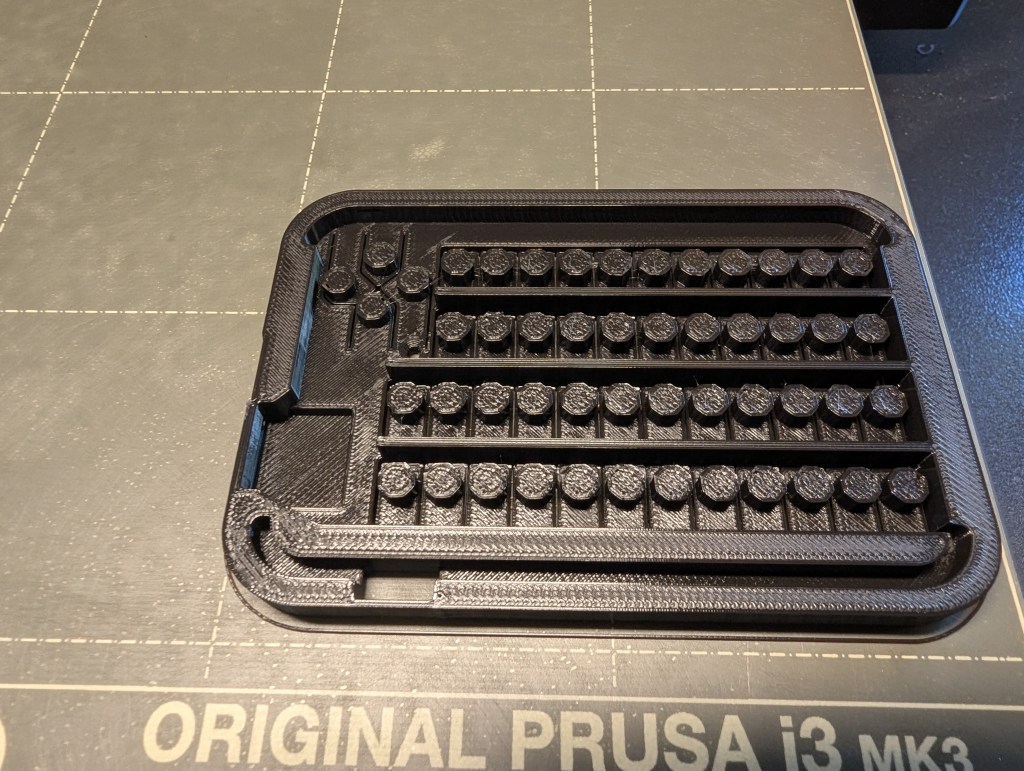
One aspect of this that I was curious about was how long my 3D-printed “key caps” might last. I took advantage of the flexibility of polymers to create a keyboard that flexed in order to press the tiny tactile switches on the CardKB. I assumed it would work for a short life, but materials have an interesting property called fatigue, where even if you never stress something past its failure point, bending it back and forth enough times will eventually make it break with much less effort required (you may have inadvertently discovered this if you’ve ever bent a paperclip back and forth until it broke).
There are many good research papers and reference tables on fatigue life of various materials. I found this one that tested ASA, a UV-resistant polymer that is popular in the 3D-printing community for outdoor applications. For figuring out how my little key caps might do, I modeled one of them in FreeCAD, and used FreeCAD’s FEM workbench to see what the worst stress my part my experience might be.
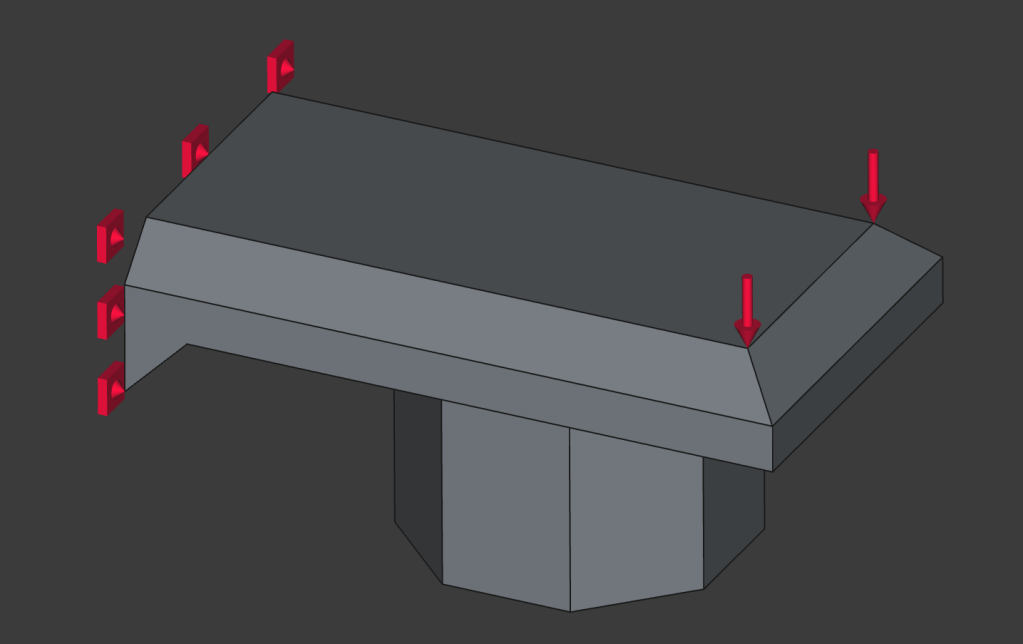
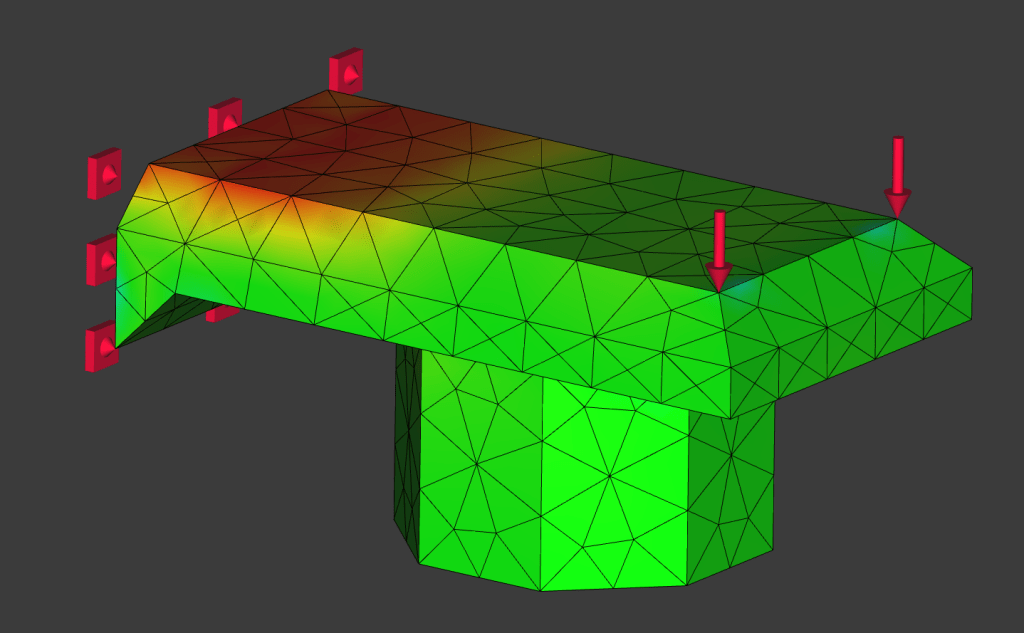
Table 5 in the above-linked paper shows that exceeding 25% of the tensile strength of ASA would rapidly start diminishing the number of key presses my keys could handle from a million to the hundreds. My current geometry falls around 35%, which translates to the keys possibly being good for about 50k cycles – not too shabby for a first try. This version was made with parts on hand and 3D printing filament, but I think that future versions will use either a TPU or silicone membrane keyboard, so I won’t spend too much time optimizing this design.
More Photos
 Adaptive Designs
Leave a comment